The Interplay Between Online Communities and Game Deal Availability for Indie Action, Puzzle, and Adventure Titles
Written by Rafael Richter · Jun 14, 2026
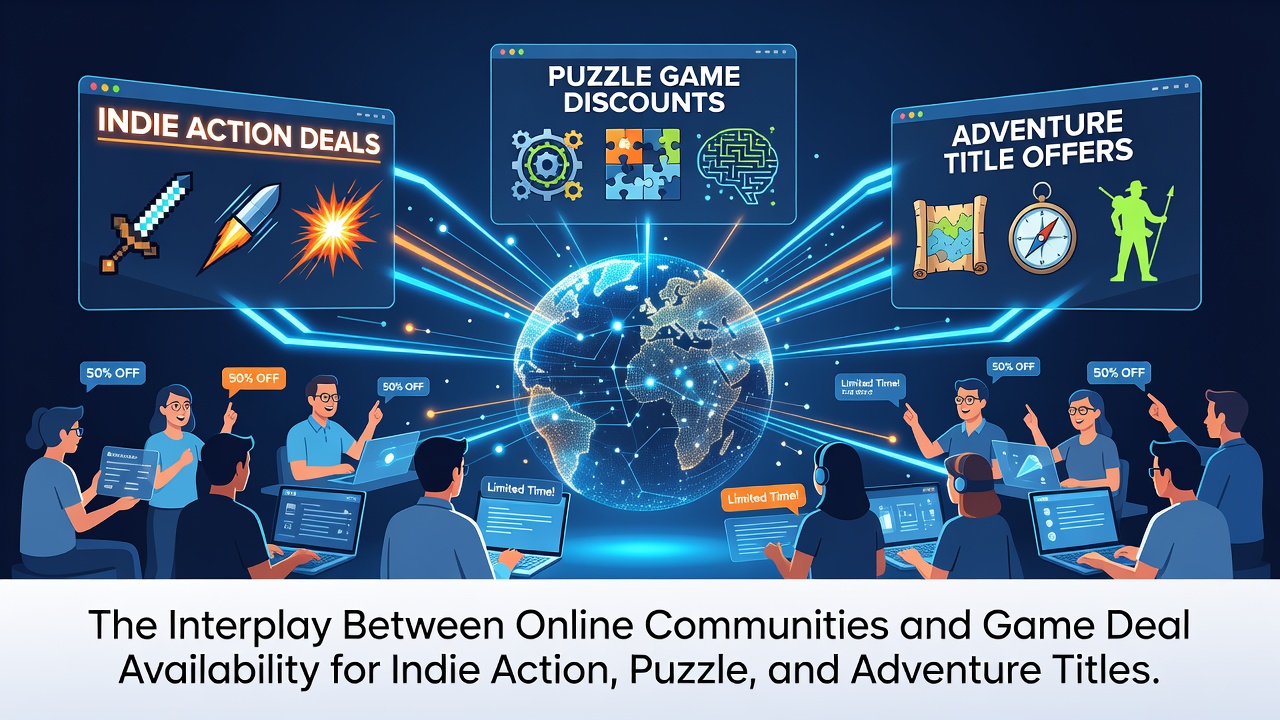
The Interplay Between Online Communities and Game Deal Availability for Indie Action, Puzzle, and Adventure Titles
Online communities shape how indie developers distribute action, puzzle, and adventure titles through deal mechanisms on platforms like Steam, itch.io, and mobile storefronts. These groups gather on Discord servers, Reddit threads, and specialized forums where members track price drops, bundle offers, and limited-time promotions that make hybrid genre games accessible without full retail costs.
Community Platforms Driving Deal Visibility
Players coordinate on dedicated subreddits and Discord channels to highlight upcoming sales for indie releases that combine fast-paced action sequences with puzzle logic or narrative exploration. Data from the Entertainment Software Association shows that digital distribution accounted for over 80 percent of indie game revenue in recent years, with community-shared alerts often accelerating the timing of publisher discounts. When users post screenshots or links about a new action-puzzle hybrid entering a free weekend event, the resulting traffic can prompt developers to extend promotions or create additional tiers in ongoing sales.
Those who monitor these spaces report that niche titles in adventure formats receive earlier notice than mainstream releases because enthusiasts compile spreadsheets of regional pricing variations across desktop and mobile ecosystems. This collective tracking creates feedback loops where increased visibility leads stores to feature the games more prominently in recommendation algorithms.
Mechanics of Deal Availability for Hybrid Genres
Publishers adjust availability based on observable spikes in community discussions rather than isolated marketing campaigns. For example, an indie studio releasing a title that merges real-time combat with environmental puzzles might schedule a price reduction after noticing sustained threads about gameplay mechanics on multiple platforms. The process relies on metrics such as wish-list additions and forum mentions that signal demand before official announcements occur.
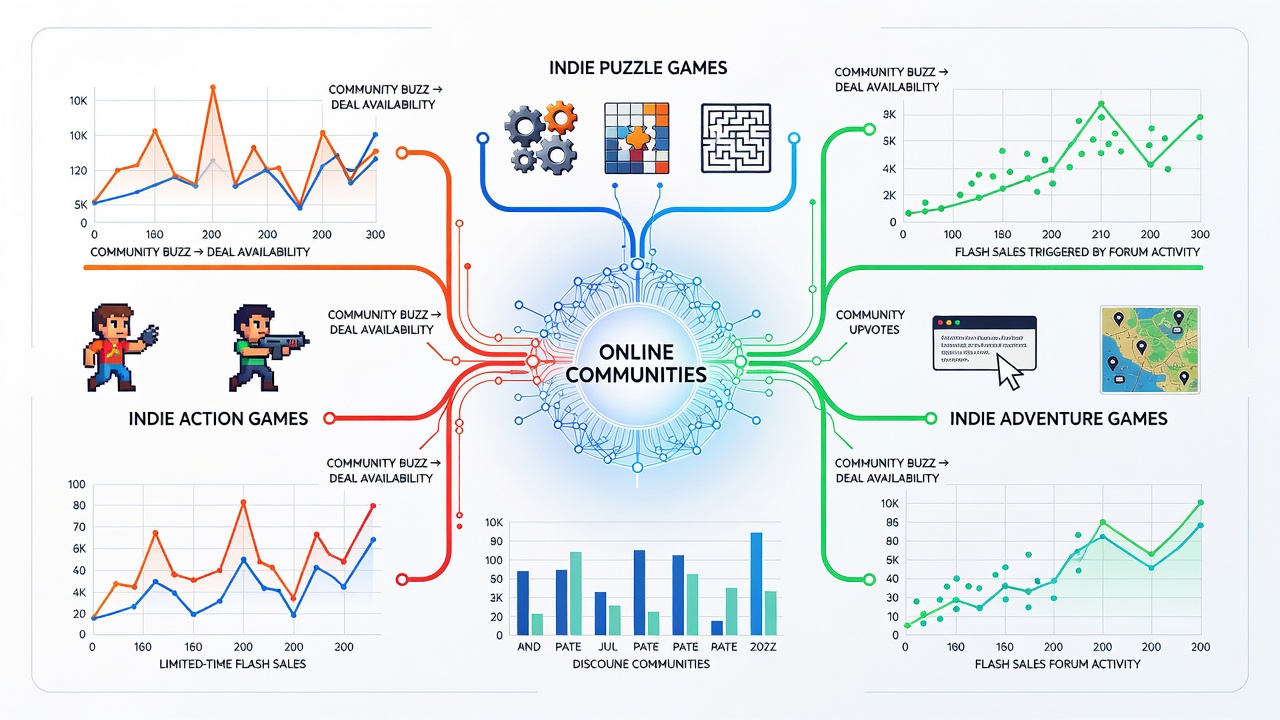
Retail partners respond to these patterns by including qualifying titles in seasonal events or cross-promotional bundles. June 2026 saw several puzzle-action adventures appear in mid-year mobile sales shortly after concentrated activity in genre-specific Discord servers highlighted their cross-device compatibility. Such timing demonstrates how aggregated user input influences inventory decisions without direct intervention from the developers themselves.
Genre-Specific Patterns in Community Influence
Action-oriented indie games with puzzle components tend to benefit from rapid sharing because short gameplay clips circulate easily across platforms. Adventure titles incorporating logic elements follow a slower but steadier pattern where detailed walkthrough discussions build over weeks and sustain interest during extended discount periods. Observers note that these differences affect how long a deal remains active, since communities focused on narrative depth generate ongoing posts that keep titles in rotation longer than pure action entries.
Research from academic sources such as papers hosted through university game studies programs indicates that community moderation plays a role in filtering reliable deal information from promotional noise. Moderators on established forums verify sale legitimacy before widespread sharing occurs, which in turn reduces return rates and encourages platforms to maintain generous refund windows for community-recommended purchases.
Distribution Networks and Regional Variations
Cross-platform availability expands when communities compile region-specific pricing data. Users in different time zones post updates about localized promotions, prompting developers to synchronize global deals more closely. This coordination appears in both desktop marketplaces and mobile app stores where indie creators list hybrid titles at adjusted rates to match community expectations rather than uniform pricing models.
Industry reports from groups like the Interactive Games and Entertainment Association in Australia document how forum-driven awareness correlates with higher download volumes during promotional windows. The data covers titles that blend action bursts with puzzle solving and story progression, showing measurable lifts when community posts precede official store features.
Conclusion
The relationship between online communities and deal structures continues to evolve as platforms refine their tools for tracking user-generated content. Developers of indie action, puzzle, and adventure games monitor these channels to calibrate release schedules and promotional intensity. This dynamic supports broader access while maintaining the economic viability of smaller studios that rely on timed discounts to reach wider audiences across desktop and mobile environments.